Full specification
8 rowsThe Trango Cyborg Cam is a solid, versatile choice for climbers who need a reliable dual-axle cam with a wide range and durable construction. While it may not be the lightest option on the market, its build quality and ease of placement make it a worthy addition to any trad rack, especially for alpine and multi-pitch routes.
Trango Cyborg Cam on the rock
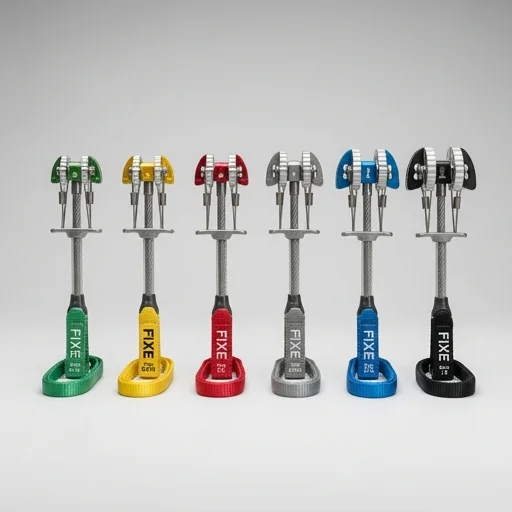
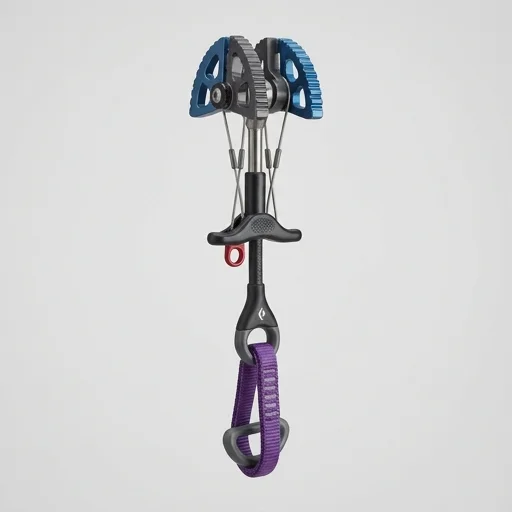
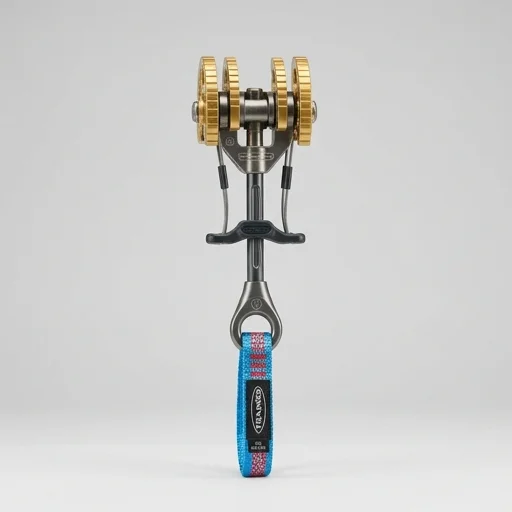
The Trango Cyborg cam represents a thoughtful evolution in spring-loaded camming device design, built for climbers who demand reliability across a wide range of crack sizes and rock types. Featuring a dual-axle design, the Cyborg delivers an expanded range within a single unit, meaning climbers can carry fewer cams while still covering more placement options on a given pitch. The lobes are precision-machined to maximize surface contact with rock, offering confident holding power in flaring cracks, pin scars, and irregular placements where other cams might struggle to find purchase. This versatility makes the Cyborg a favorite among trad climbers who want to streamline their gear rack without sacrificing security.
Constructed with durability in mind, the Trango Cyborg cam uses a lightweight yet strong alloy frame paired with a color-coded thumb loop system that allows for quick, intuitive identification of size while racking or placing gear mid-climb. The trigger wires are designed for smooth, consistent actuation even when hands are cold or chalked up, reducing fumbling during critical moments on lead. The stem incorporates a flexible design that resists kinking and maintains strength in both vertical and horizontal placements, an important feature for climbers tackling roofs, traverses, and awkward horizontal seams where cam orientation can vary significantly from a typical vertical crack.
Trango engineered the Cyborg cam with the modern trad climber's full spectrum of terrain in mind, from splitter granite cracks to more textured limestone and sandstone environments. The narrow head width allows for placements in shallow constrictions and thin seams, while the extended range per size reduces the total number of units needed on a multi-pitch rack, saving both weight and cost. Climbers appreciate the tactile feedback of the trigger and the audible click of the lobes locking into a secure camming angle, giving added confidence during runout sections or when placing gear above tricky terrain. Overall, the Trango Cyborg cam stands out as a dependable, climber-tested piece of protection built to perform when it matters most.
Where it sits in the Protection field
Against the other 11 protection pieces on the bench, this one lands at #92 overall with a bench score of 79. Its strongest axis is build quality; its weakest is comfort, which is where the closest alternatives listed alongside make up ground.
Strengths, trade-offs and features
5 strengths against 4 trade-offs recorded during testing, plus the 5 features that define this piece.
What works
What to weigh up
Key features
Four more from Protection
Closest scoring alternatives we have run through the same five axes.